





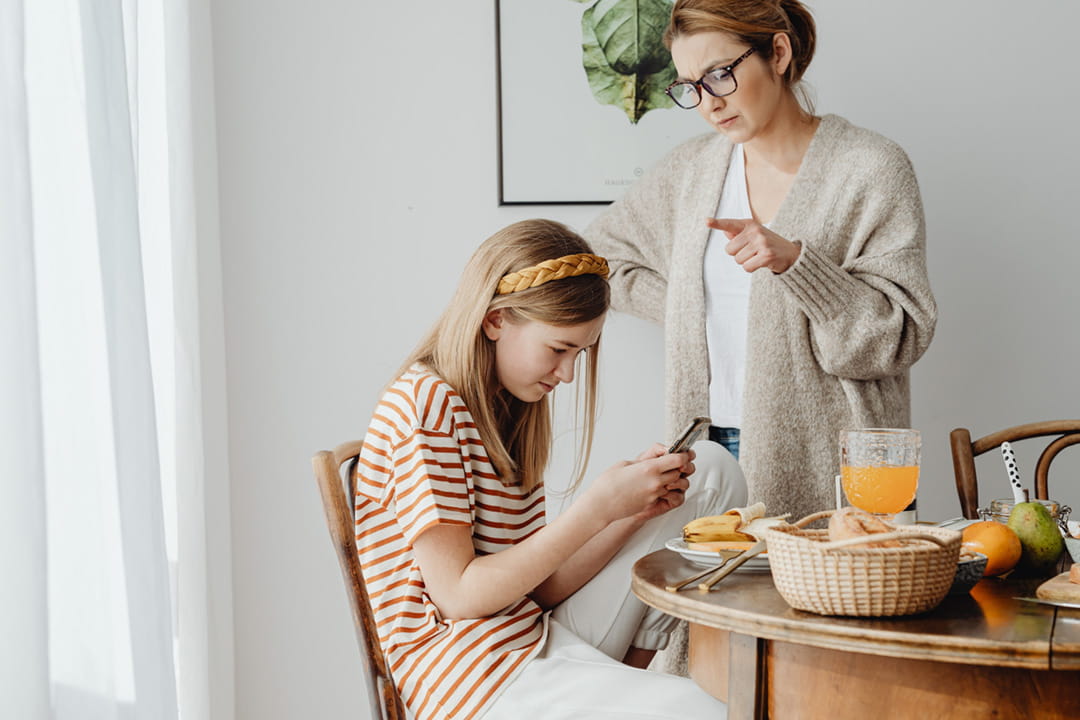
If you have a teenage daughter, peer pressure is a real thing and you have probably heard some version of this sentence before.
“Everyone else has it.”
“Everyone else is allowed.”
“Everyone else is going.”
“Everyone else wears that.”
“Everyone else is doing it.”
And somehow, in that moment, it can feel as though you are no longer parenting only your daughter.
You are parenting her friendships, her school environment, her social media feed, her need to belong and every invisible opinion she carries home with her.
For a growing girl, fitting in can feel incredibly important. And while we may know that popularity passes and friendships change, those realities can feel enormous when you are thirteen, fifteen or seventeen.
So how do we help our daughters belong without teaching them to lose themselves in the process?
This is one of the reasons building healthy confidence for girls matters so much during the teenage years.
Why Fitting In Matters So Much to Teenage Girls
As adults, we have the benefit of perspective.
We know that friendship groups change. We know that one awkward moment is not the end of the world. We know that not being invited to something does not determine a person’s worth.
But a teenage girl does not always experience these situations with that same perspective.
Being left out of a group chat can feel devastating. A friend suddenly acting differently can leave her wondering what she did wrong. Not being invited can feel deeply personal.
And when everyone around her appears to be wearing, saying, posting or doing the same thing, choosing something different can feel frightening.
Sometimes what looks like stubbornness is actually a fear of being excluded.
Sometimes what looks like attitude is insecurity.
Sometimes what looks like simply following the crowd is a girl quietly asking:
Will people still like me if I am myself?
Every Mother Wants Her Daughter to Make Good Choices
Most of us have said some version of these words to our daughters:
“Be yourself.”
“Choose good friends.”
“Don’t follow the crowd.”
“Stand up for what you believe.”
“Don’t let people pressure you.”
They are important messages. But living them out is much harder than saying them.
It takes confidence to be different. It takes self-respect to walk away from something that does not feel right. It takes courage to stand up to peer pressure and say no when everyone else is saying yes.
And it takes a growing sense of identity to understand that belonging should never require you to become somebody you are not.
This is where identity and confidence for girls become so closely connected. A girl who is learning who she is is better equipped to make choices that reflect her values rather than simply following the crowd.
That kind of inner strength does not suddenly appear the first time a girl is faced with pressure.
It is built over time.
Her Friends Matter — But So Does the Voice Inside Her
Parents understandably pay close attention to the friendships surrounding their daughters.
Friends influence conversations, attitudes, behaviour and choices. During the teenage years, those relationships can carry enormous weight.
But there is another influence that matters just as much.
The voice within your daughter.
A healthy inner voice helps her begin to believe:
- I do not have to prove myself to be accepted.
- I can be kind without becoming a people-pleaser.
- I can belong without pretending.
- I can disagree respectfully.
- I can walk away when something does not align with my values.
- I am responsible for my own decisions.
This is an important distinction.
We are not trying to raise girls who say, “I don’t care what anybody thinks.”
There is maturity in caring how our actions affect others.
Instead, we want girls who can say:
“I know what matters to me, and I can still make a wise choice when doing so feels difficult.”
When Girls Change Themselves to Keep a Friendship
One of the hardest things for a mother to watch is a daughter beginning to change herself in order to fit into a particular group.
You know her personality. Her humour. Her heart. Her interests. Her values.
Then suddenly, something shifts.
She may become quieter around certain people. She may begin speaking differently, dismissing things she previously enjoyed or becoming increasingly concerned with what she wears, owns or posts.
You can see her trying to find her place.
And the natural instinct is often to say:
“Just stop caring what they think!”
But for a girl who desperately wants to belong, it is rarely that simple and the peer pressure can be crushing.
She needs more than an instruction not to care.
She needs to develop an understanding that healthy belonging should never come at the cost of her identity.

What Does a Healthy Friendship Look Like?
Healthy friendships do not require a girl to constantly prove herself.
They leave room for differences of opinion, personal interests and individual personalities.
Good friendships should allow girls to encourage one another, communicate honestly, apologise when necessary, respect boundaries and grow without constantly fearing rejection.
This does not mean friendships will always be easy. Conflict and disappointment are part of relationships.
But a friendship should not repeatedly make a girl feel that she must become less of herself in order to remain accepted.
Kindness and Boundaries Can Exist Together
We want our daughters to be kind.
We want them to include others, show compassion, forgive and treat people with respect.
But kindness does not mean accepting poor treatment.
Being respectful does not mean having no boundaries.
Being loving does not mean staying in every friendship forever.
And being confident does not mean becoming hard, defensive or confrontational.
There is something powerful about a young woman who can be both gentle and strong.
A girl who can show kindness without losing her voice. Who can treat others with dignity while still respecting herself. Who understands that sometimes saying no is necessary and that walking away from an unhealthy situation does not make her unkind.
These are skills that take practice.
Peer Pressure Does Not Always Look Like Pressure
When we hear the words peer pressure, we often imagine somebody openly saying:
“Come on. Just do it.”
But much of the pressure teenage girls experience is far quieter than that.
It may look like laughing at a joke she did not actually find funny because everyone else is laughing.
It may be pretending to like something because her friends do.
It may be staying silent because she does not want to become the odd one out.
It may be changing the way she dresses because she is worried about being judged.
It may be lowering a personal standard because standing alone feels uncomfortable.
Individually, these moments can seem small.
But small decisions gradually shape character.
As girls grow older, the situations become more significant, which is why confidence for girls, identity, responsibility and self-respect are so important.
They help a girl move beyond asking:
“What will everyone think of me?”
and begin asking:
“What kind of person do I want to become?”
Social Media Has Made Comparison Harder to Escape
Girls have always compared themselves with their peers, but today comparison can continue long after they leave school.
Social media means they can see what their friends are wearing, doing, buying and attending almost constantly.
They know who was invited.
They can see what happened when they were not there.
They can count likes and followers and watch trends spread through their friendship groups in a matter of hours.
This can quietly create the impression that everyone else is living, looking or behaving in a particular way.
And when a girl already feels uncertain about where she belongs, that constant visibility can amplify the pressure to keep up.
Helping our daughters understand their own values and identity therefore becomes even more important. Healthy identity and confidence for girls can give them a stronger foundation when comparison and social pressure become difficult to escape.
Mom, Your Voice Still Matters
Even when she rolls her eyes.
Even when she says, “You don’t understand.”
Even when your advice appears to disappear into thin air.
Your voice matters.
The values you repeat matter.
The standards you model matter.
The way you speak about yourself matters.
The way you handle conflict matters.
The way you treat people matters.
Our daughters notice far more than we sometimes realise.
But there are also times when another trusted adult can reinforce something you have been saying for years and suddenly help it make sense in a new way.
Positive mentors, programmes and environments do not need to replace a mother’s influence.
They can help strengthen it.

Helping Girls Develop Confidence Without Asking Them to Become Someone Else
Real confidence is not about becoming louder, tougher or less caring.
It is about becoming secure enough to remain yourself when there is pressure to change.
Our girls are growing up in a world that constantly invites them to compare, perform, impress, keep up and fit in.
What if we could help raise girls who understand that their value does not depend on being chosen by the right crowd?
Girls who know who they are.
Girls who can form healthy friendships.
Girls who understand kindness and boundaries.
Girls who take responsibility for their choices.
Girls who can disagree respectfully.
Girls who can walk into a room without feeling that they must become somebody else to deserve a place there.
This is at the heart of what Girl-School and You With Confidence aim to support.
Our programmes are designed to come alongside families as girls develop confidence, character, self-respect and practical life skills that can help them navigate friendships, choices and the changing pressures of growing up.
For families looking for a girls confidence course, the goal is not to create girls who never feel pressure. It is to help them develop the inner strength and self-awareness to respond to that pressure well.
One Day, She Will Have to Choose for Herself
There will eventually be a situation where Mom is not in the room.
You will not hear the conversation.
You may not see the message.
You may not know who is influencing her.
And you will not be able to step in and make the decision for her.
In that moment, what will guide her?
Hopefully, something deeper than fear of missing out.
Something stronger than the need for approval.
Something more lasting than popularity.
Her values.
Her identity.
Her character.
Her self-respect.
Her confidence.
Because the goal was never to make every decision for our daughters.
The goal is to help raise young women who are increasingly equipped to make wise decisions for themselves.
Help Her Stand Strong Without Losing Her Kindness
Every girl wants to belong.
And there is nothing wrong with wanting friendship, connection and acceptance.
The lesson is not that she should stop caring about people.
It is helping her understand that she should never have to lose herself in order to keep them.
Girl-School in-person experiences and You With Confidence online courses have been created to support girls as they develop confidence for girls, character, self-respect and practical skills for the different stages of growing up.
A girls confidence course can provide another positive space where girls learn more about identity, friendships, boundaries, responsibility and the choices they will increasingly need to make for themselves.
Because one day, she will have to make the choice herself.
Let’s help her become the girl who can stand strong — and still stay kind.
Frequently Asked Questions
What is peer pressure in teenage girls?
Peer pressure is the influence girls may feel from friends, classmates or social groups to behave, dress, speak or make choices in a certain way. It can be direct, but it is often subtle and may simply come from wanting to avoid feeling different or excluded.
How can I help my daughter deal with peer pressure?
Regular conversations about values, friendships, boundaries and decision-making can help. It is also useful to create opportunities for your daughter to practise expressing her opinions and making age-appropriate choices rather than only telling her what not to do.
Developing healthy confidence for girls can also help them feel more secure when making a choice that may be different from what their friends are doing.
How can I tell if my daughter is changing herself to fit in?
Changes during adolescence are normal, so one change alone is not necessarily concerning. However, it may be worth opening a conversation if your daughter consistently seems uncomfortable around certain friends, abandons things she previously valued or repeatedly changes herself because she fears rejection.
Should I tell my daughter to stop caring what other people think?
It is usually more helpful to teach her how to decide whose opinions deserve influence rather than expecting her not to care at all. Relationships matter, but another person’s approval should not determine her identity or override her values.
Can a confident girl still struggle with peer pressure?
Absolutely. Confidence does not mean never feeling uncertain or wanting to belong. Even confident girls can experience pressure. The goal is to help them develop the self-awareness, values and decision-making skills needed to respond well when that pressure arises.
This is why identity and confidence for girls need to grow together. Knowing who she is can help a girl make decisions that are grounded in her values rather than driven only by approval.
How do Girl-School and You With Confidence help girls?
The programmes provide age-appropriate spaces where girls can develop confidence, self-worth, character and practical life skills while exploring topics that become increasingly relevant as they grow.
They are designed to support and reinforce the values families are already building at home and can provide parents with a girls confidence course option that supports girls through different stages of development.


0 Comments